Introduction:
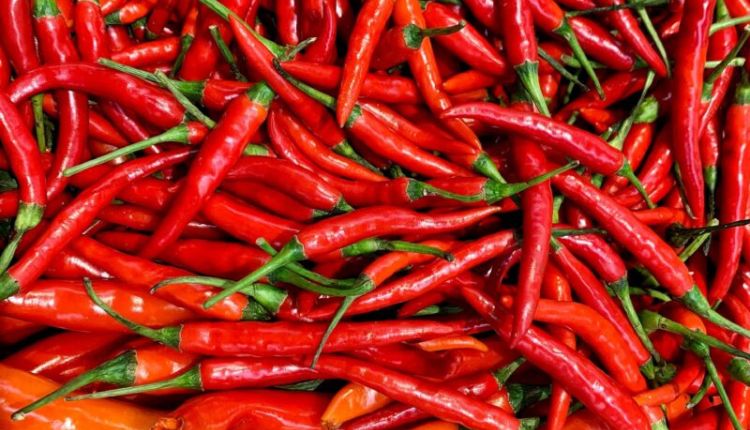
Red chilli, scientifically known as Capsicum annuum, is a popular spice used in various cuisines worldwide. It not only adds a fiery kick to dishes but also offers several potential health benefits. However, like any other food ingredient, red chilli also has its share of side effects. In this article, we will delve into the various uses, benefits, and potential side effects of red chilli, providing you with a comprehensive understanding of this vibrant spice.

I. Uses of Red Chilli:
Red chilli is widely used in culinary applications, lending its unique flavor and spiciness to dishes. From traditional recipes to modern fusion cuisines, it finds its place in numerous dishes, such as curries, soups, stir-fries, marinades, sauces, and even desserts. Its versatility makes it a staple ingredient in many kitchens around the world.
II. Health Benefits of Red Chilli:
- Rich in Nutrients: Red chilli is a powerhouse of essential nutrients, including vitamins A, C, E, and K, as well as minerals like potassium and manganese. These nutrients contribute to overall health and support various bodily functions.
- Boosts Metabolism: The compound responsible for the spiciness of red chilli, called capsaicin, has been shown to increase metabolism. This thermogenic effect can aid in weight management and may have a positive impact on energy expenditure.
- Pain Relief: Capsaicin has analgesic properties and is commonly used in topical creams and ointments for pain relief. It works by desensitizing nerve receptors, providing temporary relief from conditions like arthritis, muscle soreness, and neuropathic pain.
- Cardiovascular Health: Red chilli consumption has been associated with improved cardiovascular health. It may help reduce blood pressure, prevent blood clots, and promote healthy blood circulation, thereby reducing the risk of heart disease.
- Antioxidant and Anti-inflammatory Properties: Red chilli contains antioxidants that protect the body against damage caused by harmful free radicals. It also exhibits anti-inflammatory properties, potentially offering protection against chronic inflammation and associated diseases.
III. Side Effects of Red Chilli:
- Digestive Issues: Consuming excessive amounts of red chilli can irritate the digestive system, leading to symptoms like heartburn, stomach pain, and diarrhea. Individuals with gastrointestinal conditions like irritable bowel syndrome (IBS) or ulcers should exercise caution while consuming red chilli.
- Allergic Reactions: Some individuals may be allergic to red chilli or other members of the Capsicum family. Allergic reactions can range from mild symptoms like skin rashes and itching to severe reactions like difficulty breathing or anaphylaxis. If you suspect an allergy, seek medical attention immediately.
- Gastroesophageal Reflux Disease (GERD): People with GERD or acid reflux may experience worsened symptoms after consuming red chilli due to its spiciness. It can trigger heartburn, regurgitation, and other discomforts associated with these conditions.
Conclusion:
Red chilli is a widely used spice that not only enhances the flavor of dishes but also offers potential health benefits. Its rich nutrient profile, metabolism-boosting properties, pain-relieving abilities, and potential cardiovascular benefits make it an intriguing addition to a well-balanced diet. However, it is crucial to be mindful of its side effects, particularly for individuals with digestive issues, allergies, or GERD. Moderation and personal tolerance should guide its consumption. If in doubt, consult with a healthcare professional for personalized advice.