Taxidermy is a unique art form that has fascinated people for centuries. Whether it’s for scientific purposes, educational displays, or as an intriguing piece of decor, taxidermy serves a wide range of uses. In recent years, it has seen a resurgence as a niche market, with many collectors and enthusiasts seeking out taxidermy specimens for sale. This article delves into the world of taxidermy, exploring its history, significance, and the growing market for taxidermy pieces for sale.

The Art Of Taxidermy
At its core, taxidermy is the practice of preserving an animal’s body to display it for various purposes. While the technique itself has evolved, the process typically involves carefully removing the skin of the animal, treating it with preservatives, and mounting it to create a lifelike representation. Modern taxidermists use advanced techniques, such as casting and molding, to ensure that the final product is both realistic and long-lasting.
The word “taxidermy” itself comes from the Greek words “taxis,” meaning “arrangement,” and “derma,” meaning “skin.” Over the years, this practice has been used in museums, private collections, and even in homes as a way to honor animals, celebrate their beauty, or display hunting accomplishments.
A Brief History Of Taxidermy
Taxidermy dates back to ancient civilizations, with the Egyptians using mummification techniques to preserve animals for religious and ceremonial purposes. However, it wasn’t until the 18th century that taxidermy as we know it today began to take shape. During this time, taxidermy became a popular hobby for the wealthy, particularly in Europe, where it was used to showcase rare animals and exotic species brought back from expeditions.
In the 19th century, taxidermy for sale gained even more popularity with the rise of natural history museums. These museums sought to display a wide variety of animals from around the world, and taxidermists played a vital role in making these collections possible. This period also saw the development of more sophisticated taxidermy techniques, leading to the creation of increasingly realistic specimens.
The Modern Taxidermy Market
Today, taxidermy is enjoyed by a diverse group of people. From hunters who want to preserve their trophies to artists and collectors, the demand for taxidermy has expanded beyond traditional uses. With the rise of online marketplaces, it’s easier than ever to find taxidermy for sale, whether it’s a vintage piece or a custom order.
Types Of Taxidermy For Sale
Taxidermy pieces vary greatly depending on the species, the skill of the taxidermist, and the intended purpose of the display. Some of the most popular types of taxidermy for sale include:
- Animal Heads and Mounts
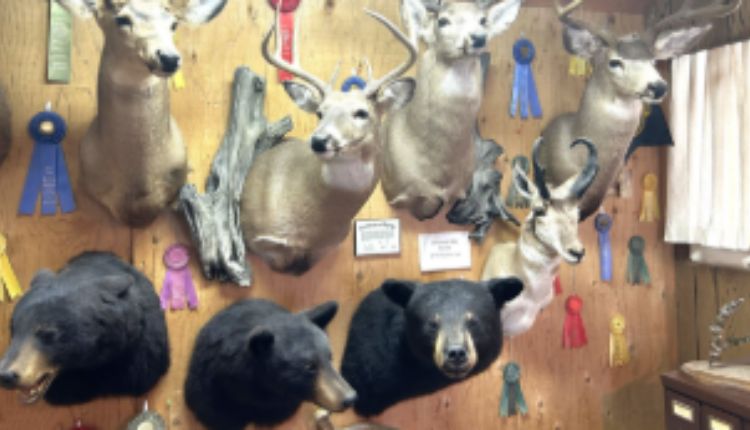
One of the most common forms of taxidermy for sale is animal heads and shoulder mounts. These often feature large game animals such as deer, elk, bears, and big cats. These mounts are frequently displayed in homes, offices, and hunting lodges as a way to showcase a hunter’s achievement or simply appreciate the beauty of the animal.
- Full-Body Mounts
Full-body mounts are more intricate and often feature smaller animals or exotic species. These pieces can be quite expensive, especially if they feature rare animals such as tigers, lions, or other wild creatures. Full-body mounts often require more skill and time to create, making them prized possessions among collectors.
- Bird Taxidermy
Birds are another popular category for taxidermy. Birds like pheasants, ducks, owls, and parrots are often preserved as part of hunting collections or as decorative pieces. Their feathers and intricate features make them a unique and sought-after option for those looking for taxidermy for sale.
- Small Mammals
Small mammals, including foxes, squirrels, raccoons, and rabbits, are also commonly found for sale. These smaller pieces are perfect for collectors or as part of more unusual interior design themes. Often, taxidermists use unique poses to make the display more dynamic, showcasing the animal’s natural movement.
- Exotic Taxidermy
For those interested in something truly unique, exotic taxidermy is a growing trend. This may include rare animals such as alligators, zebras, or even tropical birds. These items are often considered luxury pieces due to their rarity and the high level of craftsmanship required to preserve them.
The Ethics Of Taxidermy
While taxidermy is considered a legitimate form of art, it is not without controversy. One of the primary concerns surrounding taxidermy is its ethical implications. Animal rights activists often question the morality of killing animals for display, especially when it comes to endangered species. In response to these concerns, many taxidermists are now committed to using ethically sourced animals. This may include using animals that have died of natural causes, are part of legal hunting activities, or are obtained from regulated sources like zoos or wildlife conservation centers.
There are also regulations in place to ensure that endangered species are not exploited for taxidermy. The Convention on International Trade in Endangered Species (CITES) is an international agreement that aims to prevent the exploitation of wildlife, including for taxidermy purposes. Sellers of taxidermy must ensure that any specimens they offer for sale comply with these regulations.
How To Buy Taxidermy
If you’re interested in purchasing taxidermy, there are several things to consider. First, it’s essential to understand the legalities of buying and selling taxidermy in your area. Be sure that the pieces you’re interested in are ethically sourced and legally acquired. It’s also important to assess the quality of the work. Taxidermy pieces can range from amateur to highly skilled, so it’s worth seeking out reputable dealers or experienced taxidermists for the best results.
Many taxidermy collectors find their pieces at online auctions or specialized marketplaces. Some may even work directly with taxidermists to commission custom pieces. If you’re buying taxidermy as an investment or for a collection, it’s crucial to consider factors such as the rarity of the animal, the craftsmanship of the piece, and its historical value.
Wrapping It Up
The world of taxidermy for sale offers a wide range of options for enthusiasts and collectors alike. Whether you’re looking to showcase a hunting achievement, appreciate the beauty of wildlife, or simply add a unique conversation piece to your home, taxidermy provides a fascinating and timeless way to preserve the natural world. With an increasing number of options available, from animal heads to exotic species, there has never been a better time to explore this unique art form and find the perfect piece for your collection.