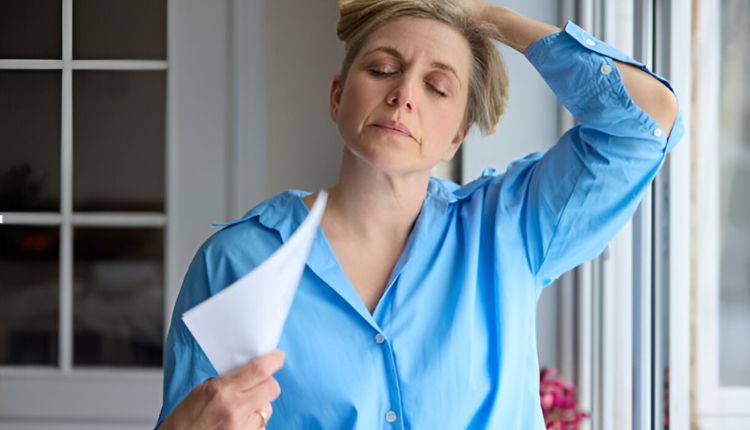
Menopause is a natural part of the life cycle for women, indicating that she has reached the end of her reproductive years. It is a natural process that many women go through that may be accompanied by physical and emotional changes. Knowing all about what menopause woman is, its symptoms, stages, and when it will start making a difference in the experience of women will ease this stage.

Understanding Menopause
A woman has reached menopause when she hasn’t had a menstrual period for 12 months in a row, meaning her menstrual cycles have come to an end. It is a process that usually takes place over two to five years in women aged 45 to 55, though there are many genetic, lifestyle, and health impacts that can influence the time frame. Menopause is not an off-and-on proposition; it’s a gradual process that occurs over the years and can be divided into three stages: perimenopause, menopause, and postmenopause.
Stages of Menopause
- Perimenopause
Perimenopause is the phase before going into menopause. In this phase, the hormones coming from your ovaries (especially estrogen) begin to taper off—this is vital for the menstrual cycle. Decline in estrogen may cause irregular periods, hot flashes, and mood swings. Perimenopause may occur as early as a few years prior to menopause, generally in the 40s, and can sometimes last several months or even more than 10 years.
- Menopause
Menopause woman is defined as not having a period of 12 months. After this time, the ovaries have stopped releasing eggs, and levels of estrogen and progesterone are very low. This is because your body is responding to lower concentrations of estrogen and progesterone, which may make these symptoms worse — particularly during menopause.
- Postmenopause
Postmenopause — the time after menopause. While many symptoms, such as hot flashes, persist, they tend to fade with time and are less frequent and severe. However, the reduction in estrogen can pose the likelihood that one might develop osteoporosis and heart disease. Postmenopausal women need to place special emphasis on preventive health measures, especially regarding their diet, exercise, and routine medical examinations in the future.
Common Symptoms of Menopause
Menopause symptoms can differ across the women’s spectrum, some with mild changes and other severe discomfort. Common symptoms include:
- Hot flashes and night sweats: These are sudden feelings of heat that often come with sweating and face redness. These can happen at any time of the day or night.
- Hormonal change: May cause mood swings, irritability, and anxiety, which can lead to depression for some women.
- Poor Sleep: Many women complain of not being able to fall or stay asleep, often due to troublesome night sweats and other insomnia with pesky anxious thoughts.
- Vaginal Dryness and Discomfort: The decrease in estrogen can impact the vaginal tissues, causing dryness and discomfort during intercourse, as well as a reduced sex drive.
- Skin, Hair, and Nails: Some women tend to notice drier skin and hair thinning go through menopause.
- Changes in Memory and Cognition: Menopausal women frequently report “brain fog” or memory lapses, which are most often temporary.
Why Do These Symptoms Occur?
The majority of menopause symptoms arise in response to the fluctuating hormones — namely estrogen — that our bodies are accustomed to. When it comes to many areas of women’s health — from reproductive functions to bone density and heart health — estrogen is a big player. With estrogen levels declining, it takes a little time for the body to readjust—and this is how we get those sometimes-annoying symptoms commonly associated with menopause. These symptoms may vary in severity and duration among individuals depending on their lifestyle, genetic makeup, and health.
Menopause and HRT (hormone replacement therapy)
Hormone Replacement Therapy (HRT) is a treatment designed to replace missing estrogen — and sometimes progesterone — that helps relieve many of the symptoms associated with menopause. Hormone replacement therapy (HRT) is very effective for hot flashes, night sweats, and vaginal dryness. It is important, though, to talk with your healthcare provider about the risks and benefits of HRT, which may not be appropriate for everyone. In some women, especially those with a history of breast cancer or heart disease, alternative therapies are safer.
Natural Solutions and Lifestyle Modifications for Menopausal Symptoms
Some women, though, may opt for natural remedies and lifestyle changes to treat their symptoms rather than resorting to HRT. Here are some methods that can be very useful:
- Diet: Consume a nutritious diet that includes lots of fresh fruits and vegetables, lean proteins, and whole grains to boost overall health and possibly reduce some symptoms of menopause. Plant-based sources of phytoestrogens, like those found naturally in soy, flaxseeds, and lentils, can likewise have a weak hormonal effect akin to that produced by estrogen.
- Exercise: It can help elevate mood, improve sleep, and strengthen bones. This is really important for postmenopausal women, so these types of exercises help to preserve bone density.
- Stress Reduction Strategies: Activities such as meditation, yoga, and deep breathing may relieve stress, enhance emotional well-being, and reduce the frequency and severity of hot flashes.
- Hydration: Adequate drinking prevents dryness in the body, including vaginal dryness that menopausal women should pay attention to.
Impact of Menopause on Long-Term Health
In addition to short-term symptoms of menopause, it also has long-term effects on health in women. Osteoporosis is a condition that occurs due to low levels of estrogen, which affects bone density. Consideration for heart health, too—because estrogen is sort of protective against cardiovascular problems. Menopausal women ought to focus on their long-term health by embarking on regular check-ups, preventive measures, and a wholesome lifestyle.
Psychological Health and Emotional Wellbeing
Mental health and menopause are just as important as physical health. You will likely face emotional ups and downs such as sadness, irritability, or anxiety due to hormonal changes. You need to recognize these changes and get help when necessary. During this transition, Therapy, support groups, and open communication with loved ones can provide valuable emotional support. Menopause is a natural part of life, and there is no reason to be embarrassed about getting help for the emotional impact.
Menopause Woman: Feeling Good Through the Change
Phrases like menopause woman often inspire images of a transitional phase in life: challenging but undeniably empowering. But as this new study shows, for many women, there are discoveries and explorations waiting to be made at this time in life that can help lead a fuller existence with the self-confidence that may have been lost during the years of raising a family or pursuing an unfulfilling career. With awareness of the stages, signs, and strategies to cope with menopause, women can endure this change with strength and security.
Menopause does not end vitality; it focuses on whole health care and prevention. For a menopausal woman, accepting this stage can help you rediscover the fulfillment of life.
Final Thoughts
Each woman has her own special menopause journey when our bodies change physically, emotionally, and psychologically. Understanding that this change is a natural part of getting older can help us approach the transition with acceptance and kindness as we move toward menopause. Through the right combination of lifestyle changes, natural remedies, and medical treatment, women can alleviate their symptoms and ensure that they are taking care of themselves in the long run.
Every menopausal woman can enjoy a healthy, happy, and fulfilling life if they understand what menopause is, is prepared for the challenges it brings, and learn to embrace this stage of their life. Think of this as a new chapter, and know you are not alone—there is support available to guide you in this incredible experience.